
Leading with Flexibility: How Situational Leadership Strengthens Team Performance

We’re going to ask you to pause and think for a second. Take off your “I’m working and have stuff to DO!” hat - and let your brain wander a bit. Have you ever really considered how important it is for plants and animals to be able to adapt to their environment?
Animals have to adjust to changing seasons, changing environments, perhaps unknown food sources - and plants bend toward the sun to make sure they are getting everything they need to thrive. These guys don’t survive by doing the same thing in every season or situation, and leadership is the same way. Leadership and people management are definitely not one-size-fits-all! And that, friends, brings us to the very work-relevant topic of situational leadership.
Situational leadership recognizes that people need different things from us. This thought process and model was developed by Dr. Paul Hersey in 1969. Just for a bit of context: that means this framework is older than more than the 56 million Millennials currently in the US workforce! And - yet - it holds. It holds because it’s relevant. Timeless and timely - one of Nova co-founder Lisa Mink’s favorite phrases.
Hersey was a firm believer that strong leaders do not - and cannot - lead everyone the same way every time, and know that they know they must adjust. Let’s consider how this frame is still relevant today.
Situational Leadership in Real Life
People may feel misunderstood or unsupported if they aren’t being approached in the right way. Let’s go back to our Millennials - who are supposedly comfortable with technology, love to travel, are competitive, and love podcasts. But…do they? There are significant risks to putting people into one category. (Don’t get us started on that one!)
But…when leaders show that they are able to be flexible, people are more likely to feel seen and respected. If they know their leader knows what’s important to them and knows how they best operate, they’ll be more likely to show discretionary effort that can really make a difference.
Consider just a few examples:
If someone is highly detail-oriented, they want:
Direct communication
Clear expectations
Defined next steps
Specific deadlines
If someone is a big-picture thinker, then you want to provide them with:
High-level vision
Aligned to purpose
Brainstorming ability
Flexibility in how they get there
If someone prefers to work solo, try to:
Give them ownership and clear boundaries
Respect their focus time
Avoid checking in on them too much
Trust them to figure things out
If someone does best when working on a team:
Invite collaboration
Encourage group discussions
Create shared momentum
Celebrate progress together
Words Matter
One of the most important levers to flexible leadership is communication. Sometimes the message is fine, but the delivery is off. As noted, a detail-oriented employee may want you to be direct, but a big-picture thinker may not respond well if you go over every tiny detail. Someone experienced may want you to skip the extra explanation and trust them, while someone who is new may want you to be extra thorough. Knowing how to communicate in a way people actually hear you will make a huge difference.
Be Flexible - and Have Boundaries
Flexibility- because you’re flexible doesn’t mean you are all over the place or scattered. We like using the example of a river: a river flows smoothly because it has banks. Without these boundaries, water would spill out everywhere. Leadership is similar. You can be adaptable, flexible and still grounded and moving in one direction by creating clear boundaries. Balance matters! Good leaders share consistent:
Values
Standards
Boundaries
Accountability practices
Adaptive leadership becomes effective because it’s intentional.
Situational Leadership Key Takeaways
You don’t need to transform into someone different for every person on your team. You just need to be more aware. We recommend asking yourself:
What does this person need from me right now?
What’s important to them, and how can I help them get closer to that goal?
Is my communication helping or confusing? (For example: do they need direction, encouragement, space, or collaboration?)
Where do I need to be more flexible? And where do I need to be more clear on boundaries?
According to Forbes, “By mastering situational leadership practices, leaders can better navigate the complexities of modern workplaces, drive team performance and prepare their organizations for the challenges and opportunities ahead.” And we couldn’t agree more!
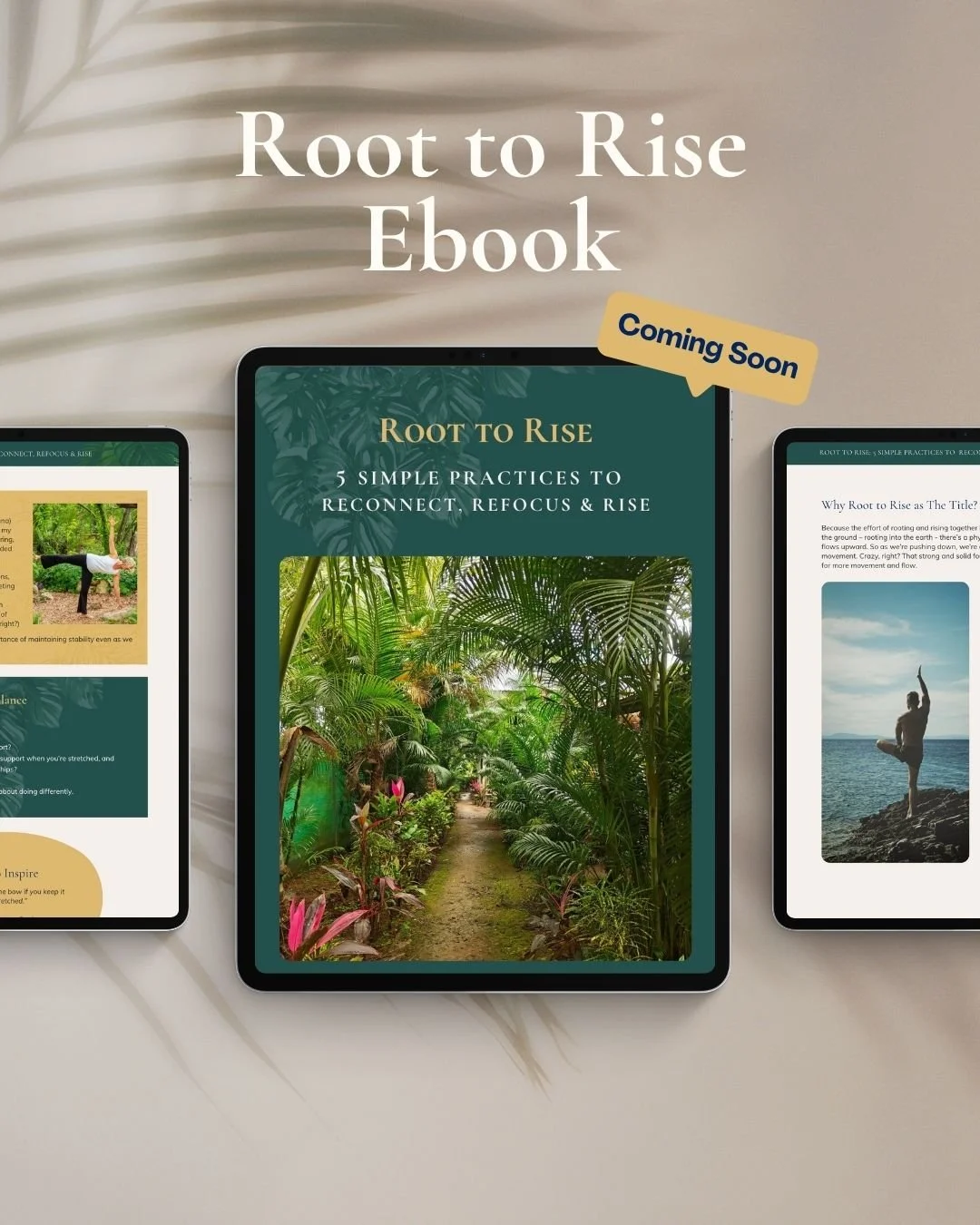
Coming Soon: Root to Rise Ebook
If this idea of flexible, intentional leadership resonates with you, we have something exciting coming soon.
Root to Rise: Simple Practices to Reconnect, Refocus & Rise is a short, approachable guide for busy professionals looking to find more balance in their day-to-day lives.
Through simple practices, reflection prompts, and real-life insights, this guide will help you:
Pause and reset when things feel overwhelming
Show up with more clarity and confidence
Find balance between pushing forward and staying grounded
At its core, Root to Rise is about the same idea we’ve explored here: adapting with intention and leading from a place of awareness.
Stay tuned for the release, we can’t wait to share it with you!
Leading With Purpose
The leaders who make the biggest impact are the people who pay attention and adjust with intention. Just as in nature, growth relies on how well you can adapt. And when leaders learn how to lead in an adaptive way, teams tend to feel more supported, more motivated, and more capable of doing great work. At Nova, we help leaders get clear on what matters most and redefine their path to purpose. We’d love to work with you - reach out today.